Figure 1 ^
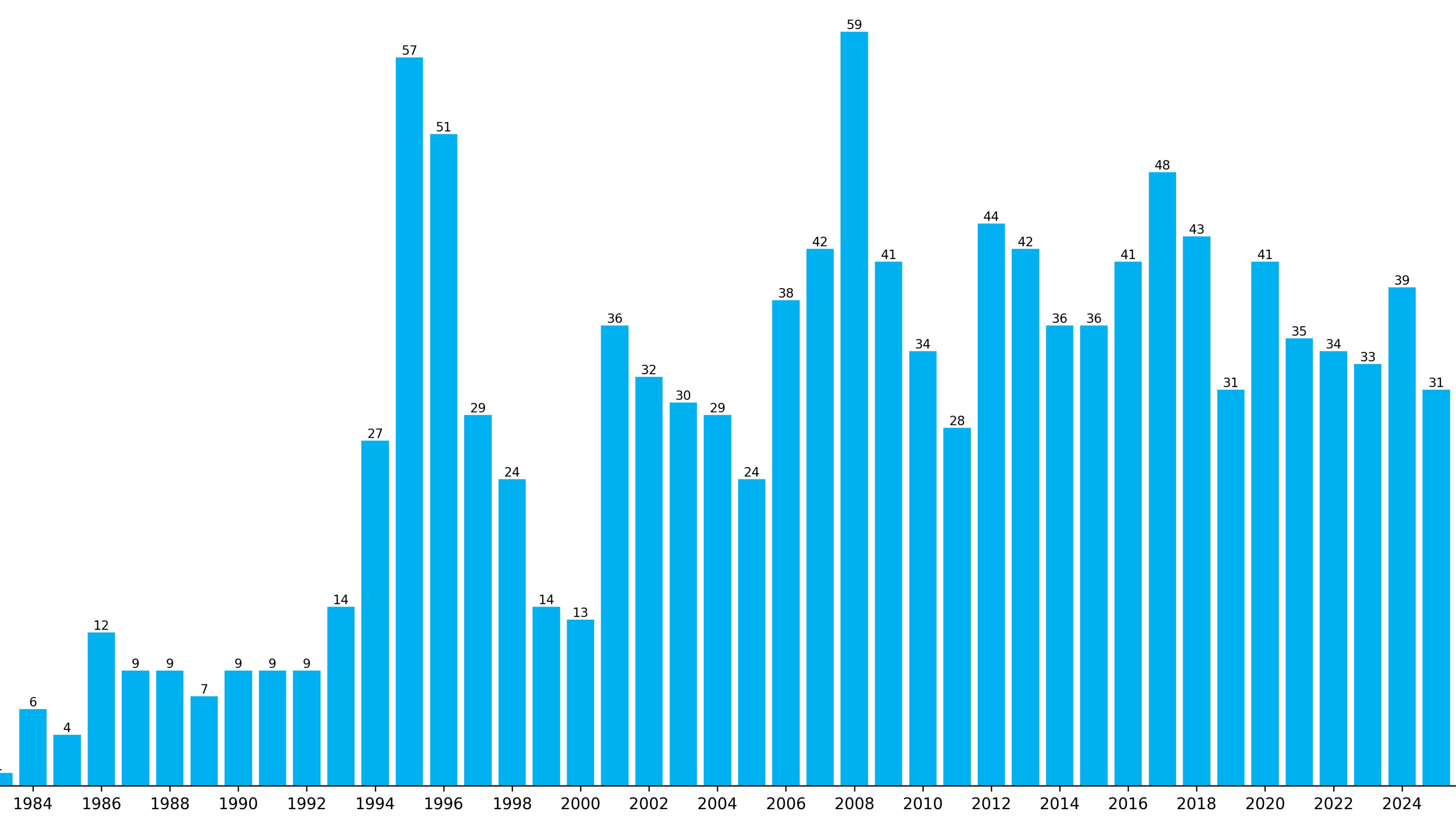
For more than four decades, implant dentistry has been defined by innovation. Since 1980, the U.S. Food and Drug Administration has cleared over 1,200 dental implant systems and line extensions (Figure 1). Each approval represented progress—new geometries, new connections, new surfaces, new restorative pathways. Collectively, however, they created a level of complexity the profession was never structurally prepared to manage long term.
As dentistry continues to evolve, the ability to preserve implant identity across time, providers, and geographies is rapidly becoming a baseline expectation of quality care. Moving from reaction to prevention is no longer aspirational—it is essential. When implant identity is preserved, care proceeds without delay, efficiency is restored, and trust is maintained. Implant dentistry becomes safer, smarter, and truly connected.
The Numbers Don’t Lie
Look at the data (Figure 1):
Early years (1980s): Low volume → manageable complexity
Mid-1990s onward: Massive surge in approvals
Post-2000: Sustained high-volume approvals every single year
No “plateau” moment where implant systems stabilized
It is important to emphasize that Figure 1 reflects only products approved for use in the United States. Globally, the landscape is exponentially more complex. The id2 Dental Implant Portal database currently encompasses more than 4,400 implant brands worldwide and over 11,600 distinct implant sizes and diameters, a figure that continues to increase as new systems and line extensions enter the market. The sheer magnitude of the challenge is therefore not theoretical—it is global, expanding, and accelerating…… and almost none of it was designed to follow the patient for life.
The consequences are now felt daily in practices across the profession. When implant identity is missing or incomplete, what should be a routine appointment becomes an exercise in reconstruction:
Radiographic guesswork
Phone calls
Emails
Trial-and-error component ordering
3rd Party identification
Chair time is lost. Staff productivity erodes. Treatment is delayed. Patients experience anxiety. Clinicians experience frustration. Revenue disappears quietly but consistently. And everyone accepts it as “just part of implant dentistry.”
It shouldn’t be.
Resources:
FDA site